

3 June 2026
The Evolution of the One FSP Playbook: An Interview with David Curran
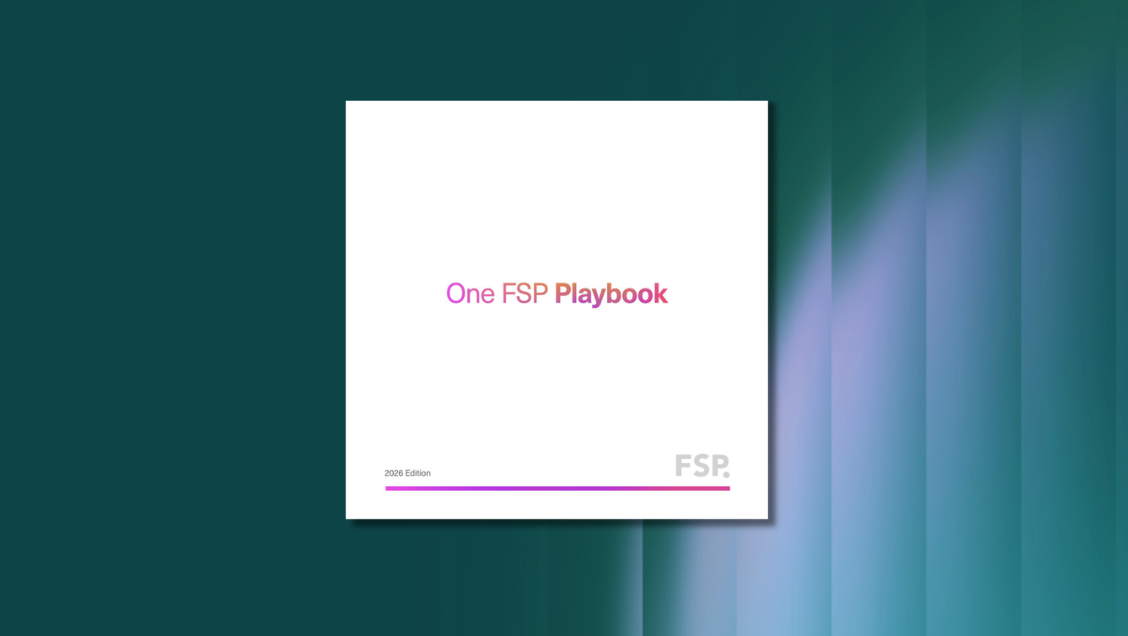
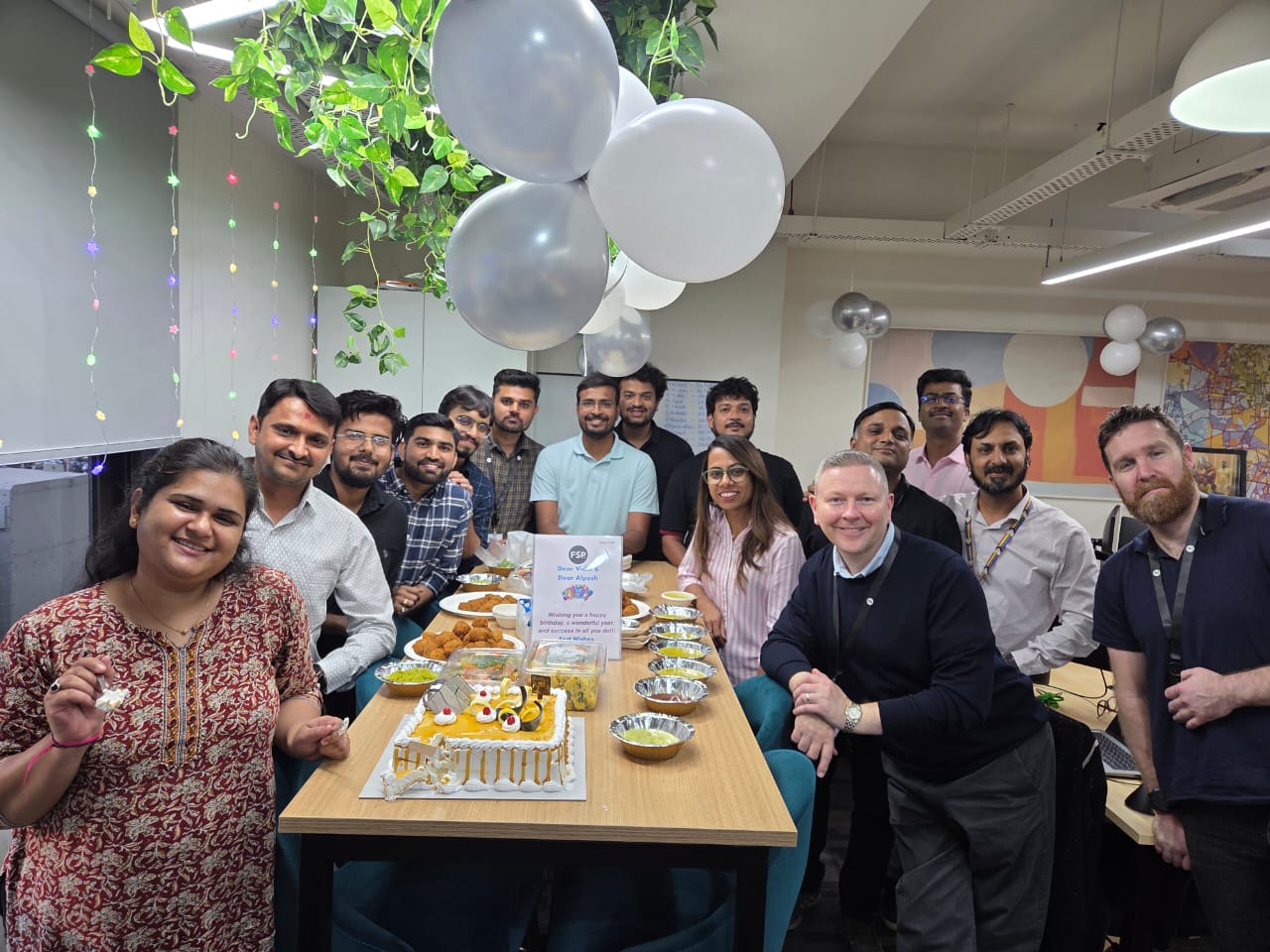
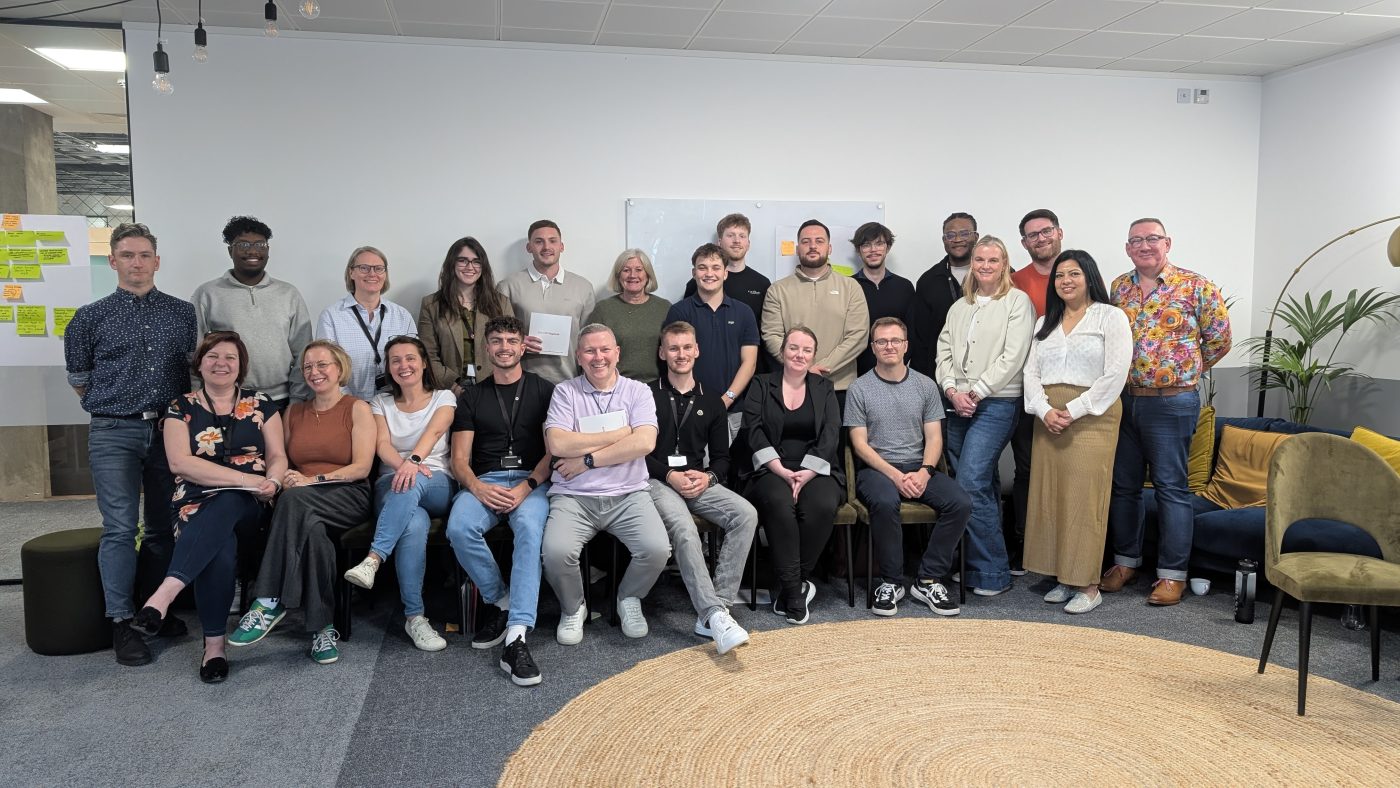
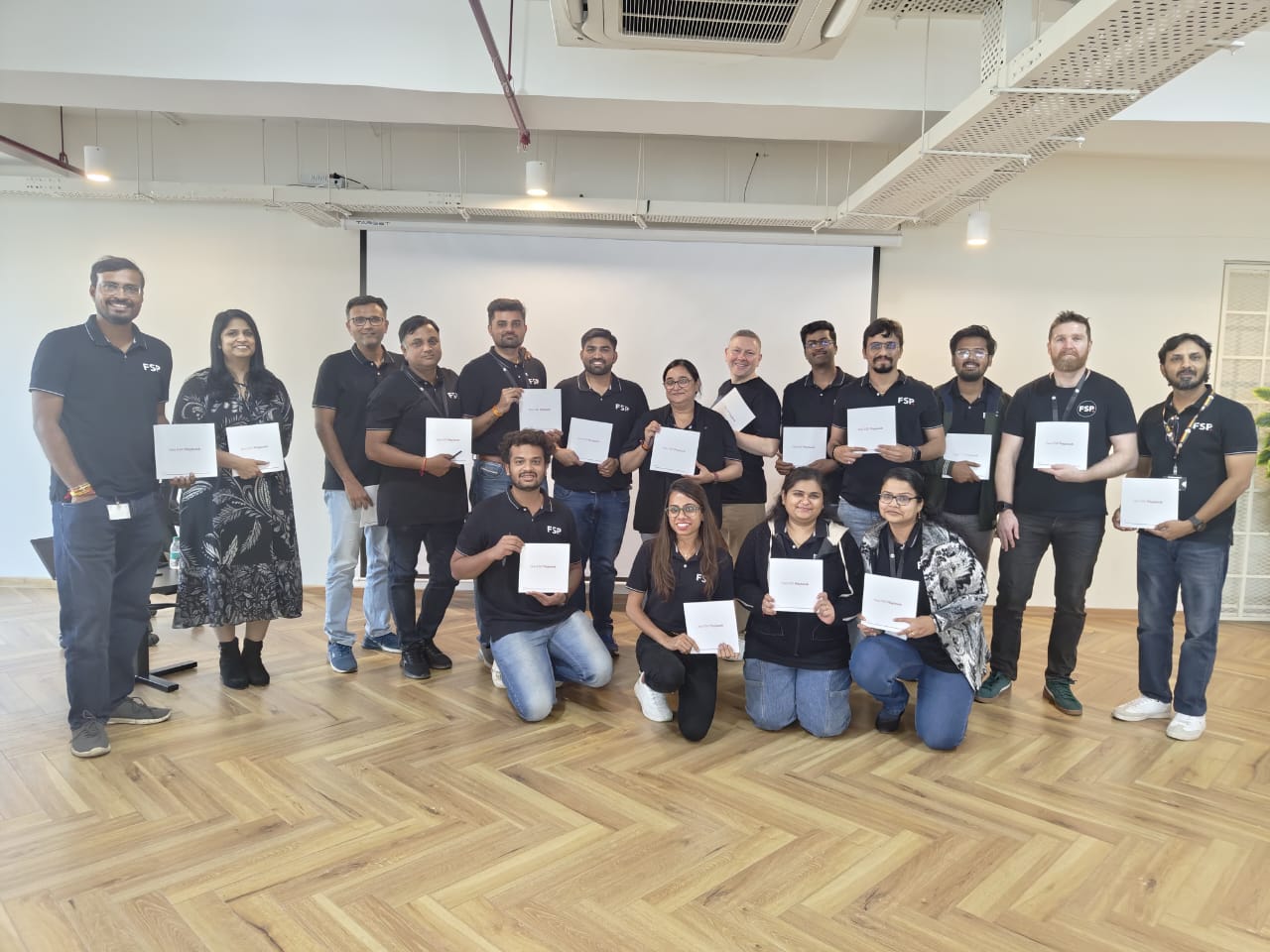
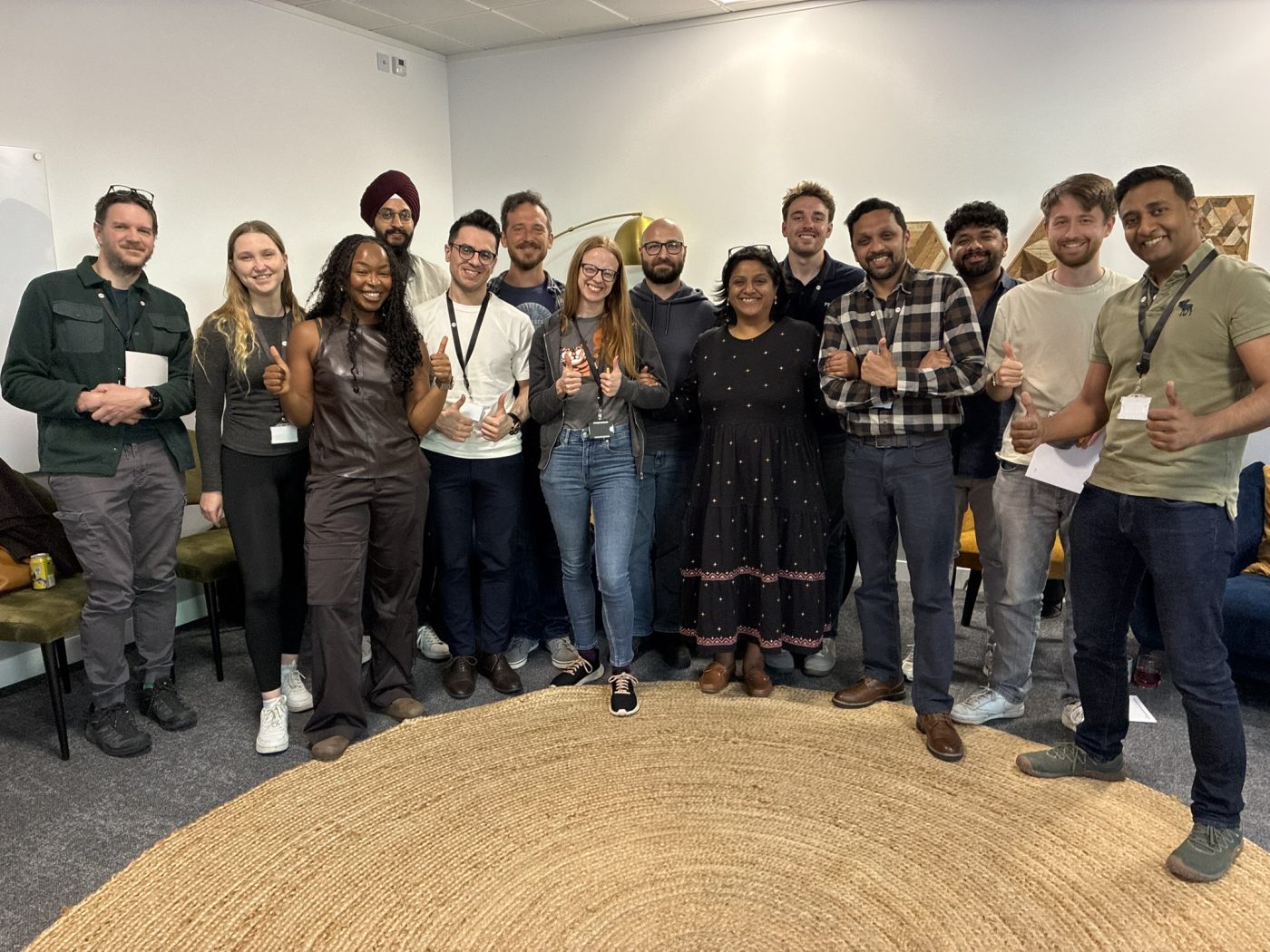
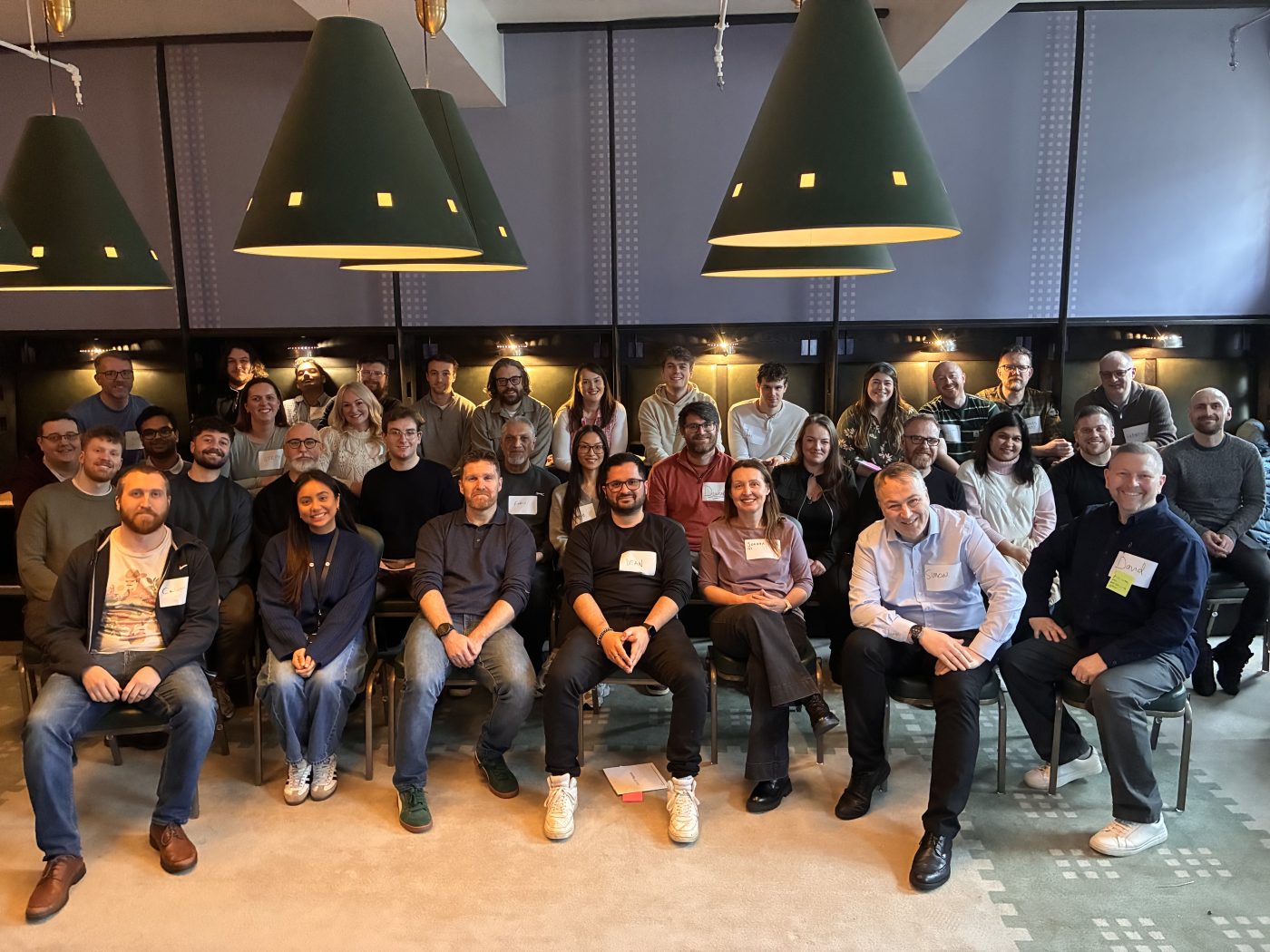
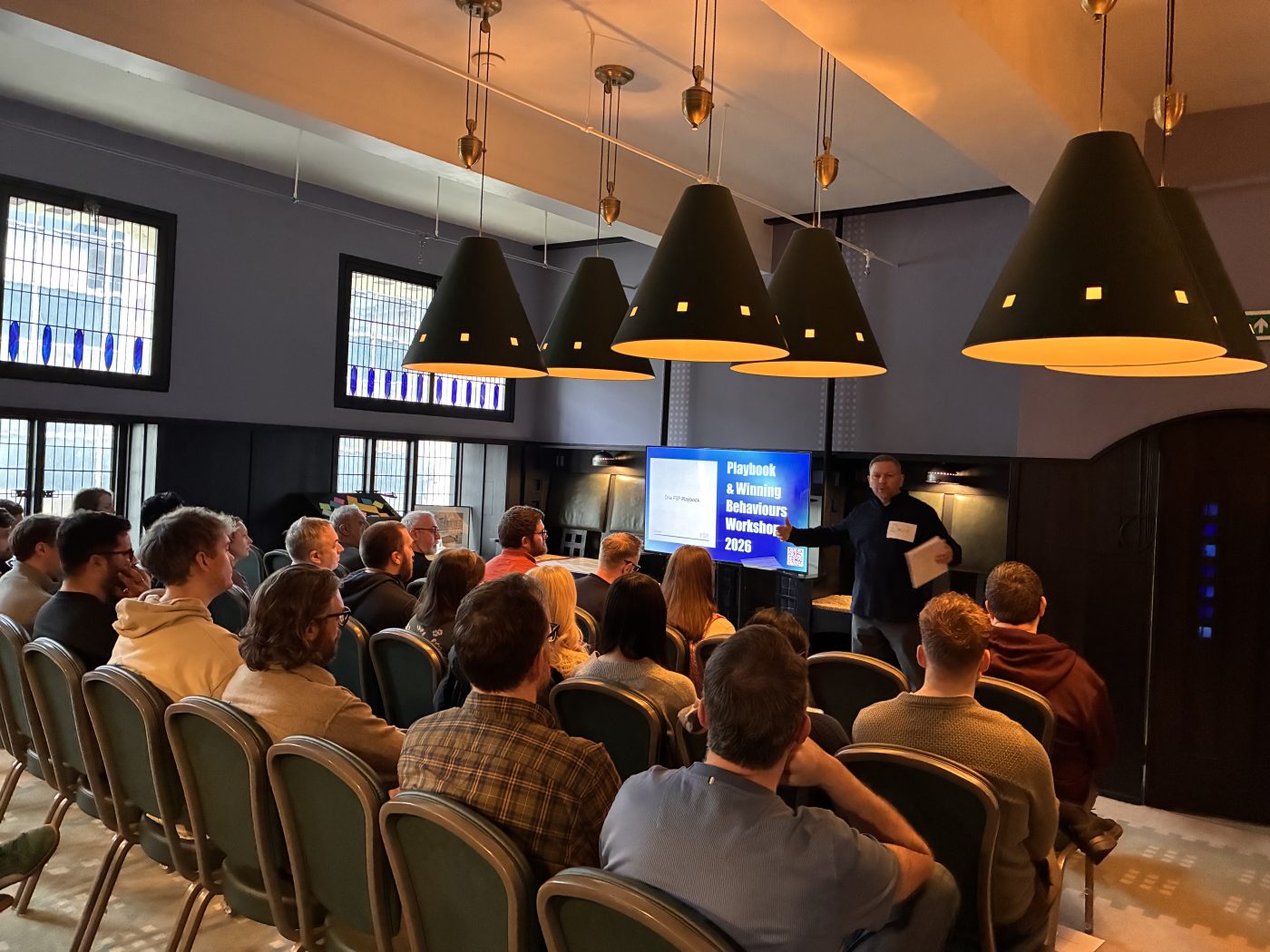
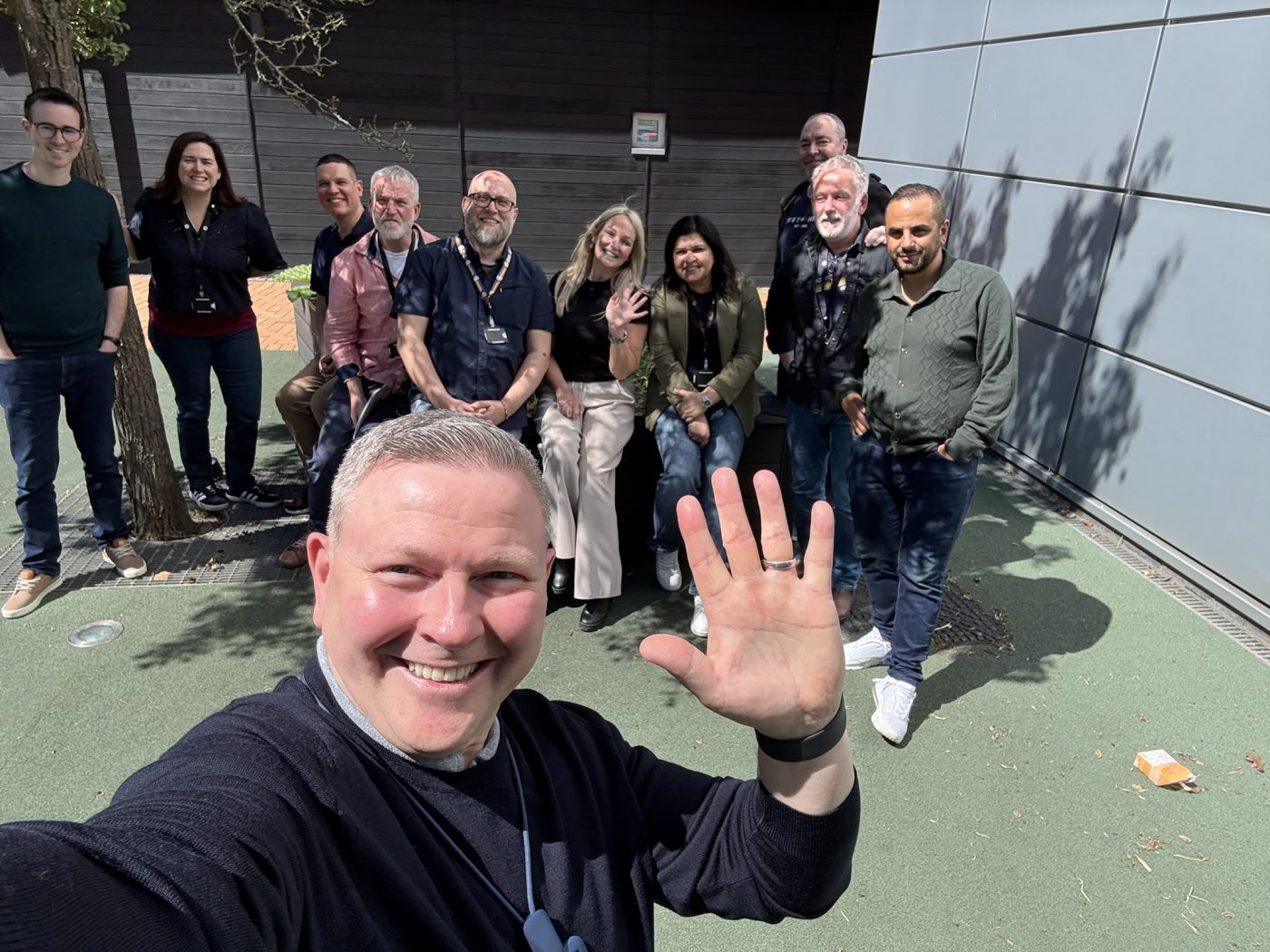
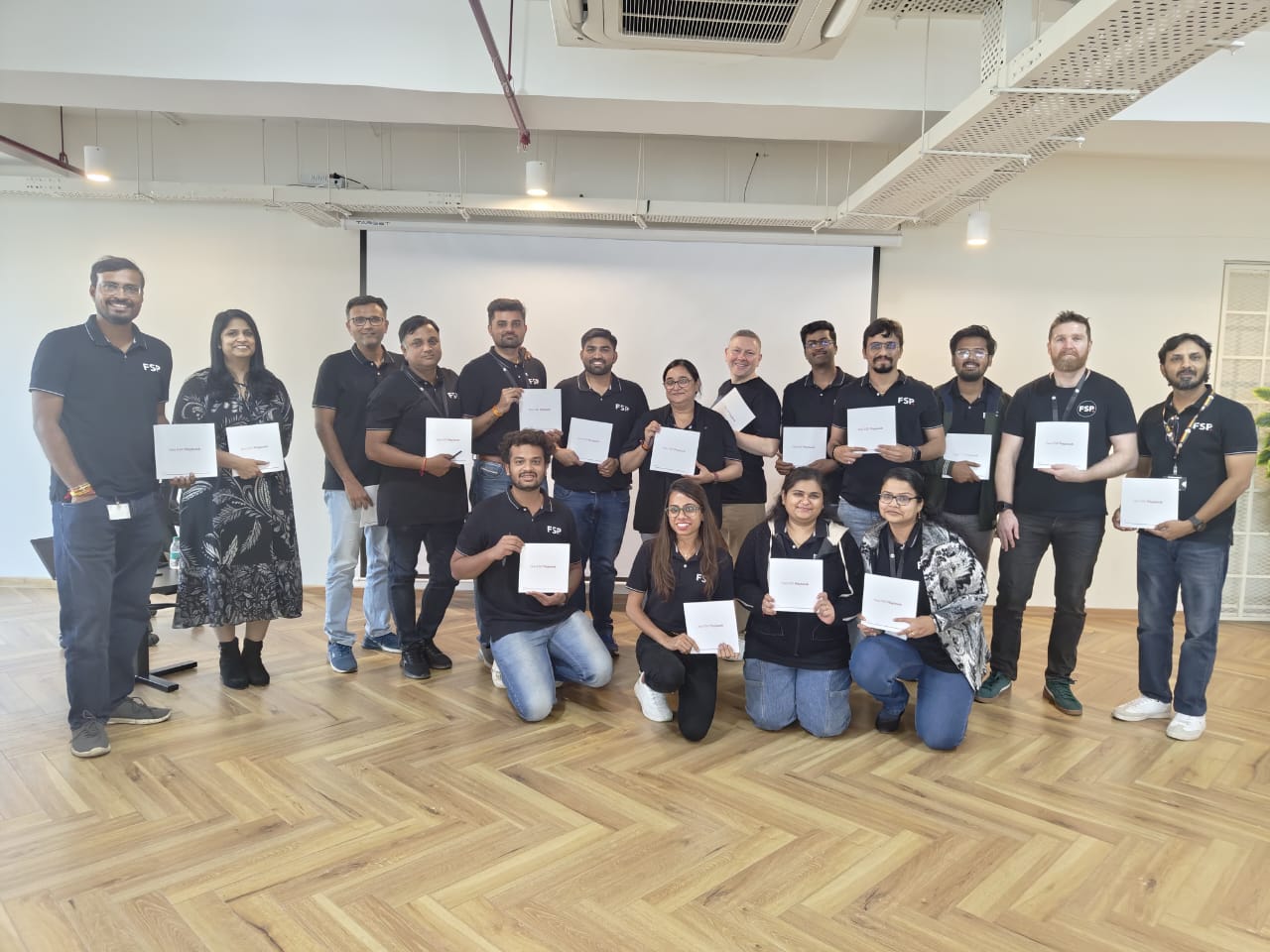
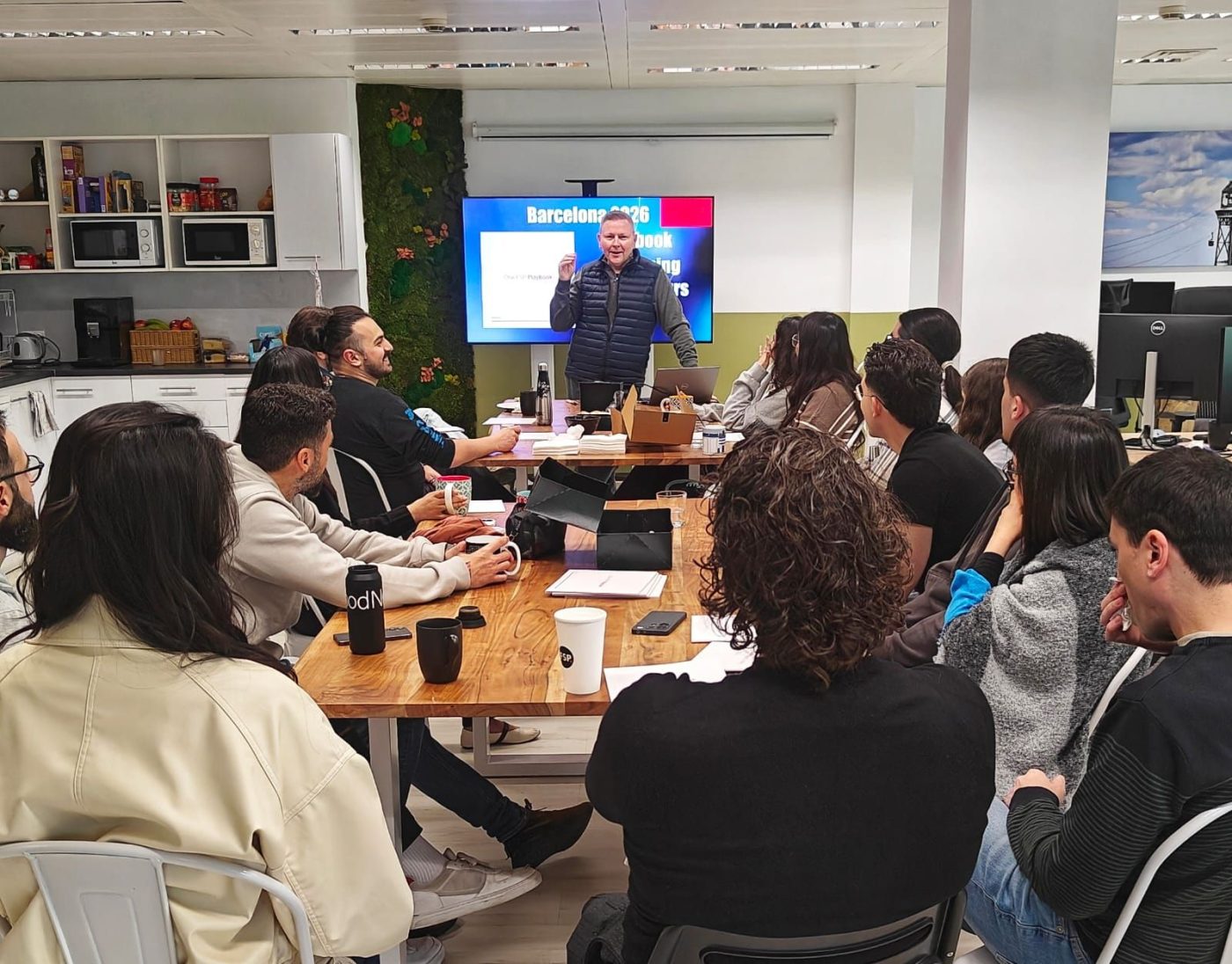
I’m Alishba Imran, Apprentice Brand & Communications Executive at FSP and I recently interviewed our Group Director of Organisational Development, David Curran about the exciting developments with our One FSP Playbook.
David, you’ve recently travelled across our FSP locations delivering version 2 of the One FSP Playbook – what has that experience been like, and what stood out to you the most?
David Curran:
“It’s been a real privilege – just as it was during the first rollout. The fact that FSP continues to invest so heavily in these workshops is a real reflection of our commitment to our culture, the Playbook, and everything it represents for the organisation.
For me personally, the privilege comes from being able to spend time with our people across different locations and having meaningful conversations about how we make every day valuable and enable them to do the best work of their life, alongside some of the best teammates they’ll ever work with.
What stood out most throughout the rollout was the number of stories I heard about colleagues stepping up to support one another. Across every location, there’s been a consistent theme of people already working incredibly hard as well as finding the time to help teammates.
I’m also regularly reminded of what amazing human beings we have across FSP. Whether it’s people offering to help set up workshops, making time to welcome and support visitors, or simply going out of their way to look after one another, there’s a genuine culture of care and togetherness throughout the organisation. That’s probably the most enduring memory I’ll take away from this experience.”
You’ve met teams across different regions – were there any interesting cultural similarities or differences that stood out across locations?
David Curran:
“One of the biggest things that stood out across every location was the sense of connection and how naturally people looked after one another. Although every session followed the same themes and objectives, no two conversations were ever the same because we deliberately created the space for the different teams to talk about what mattered most to them.
We set the workshops up in a very intentional way – no laptops, no phones visible, and enough time for conversations to properly develop rather than rushing through them. That allowed genuine connections to happen, and I think that’s why the discussions felt so authentic across every location.
There were definitely some memorable cultural moments too. In Glasgow, the team accidentally ate another group’s breakfast because they thought the catering room belonged to FSP all day – which gave everyone a good laugh afterwards! In India, I played my first ever game of cricket and managed to break a rib almost immediately, although I didn’t tell the team at the time, because I knew they’d spend the rest of the visit trying to look after me.
Beyond the funny stories, what really stayed with me, was the kindness and hospitality everywhere I went. In India especially, people went out of their way to help – whether it was colleagues insisting on showing me around, or even complete strangers stopping to check if I needed a hand when I looked lost.
Across every FSP location, whether in Reading, London, Glasgow, Croatia, Spain, or India, there was a consistent theme of people looking after each other. I got to experience being the ‘stranger’ in a few places throughout the rollout, and everywhere I went, people made sure I felt welcomed and supported. That probably says more about our culture than anything else.”
What’s changed from V1 to V2 and what’s the story behind making those updates?
David Curran:
“Playbook Version 2 is really about evolution rather than reinvention. There are hundreds of small but impactful updates throughout the new version – some are practical improvements, some are accessibility enhancements, and others are refinements to the language and structure based on feedback from employees across the organisation.
One of the biggest improvements is that the Playbook is now even more accessible by design. We’ve also made practical updates, such as adding QR codes and hyperlinks so people can instantly access digital versions when using the Playbook in client meetings, interviews, or conversations outside of an FSP office.
We also introduced tabbed pages, which sounds simple, but it has made a huge difference in practice. Once people started using the Playbook day-to-day, we realised they weren’t reading it in a strict sequence, they were jumping between sections during team discussions or client conversations. The tabs make that much easier and more intuitive.
Another change came from observing how employees actually interacted with the Playbook. Many people like to write notes, reflections, and actions directly into it, so the updated design makes that easier too, with cleaner layouts and more usable space for personal observations and reminders.
But the most important part of evolution is the reason behind it. One of the key principles of the Playbook is that it’s written by us, for us. The first version was shaped by the people who were part of FSP at that time, but as the organisation grows, new employees and newly acquired teams also deserve the opportunity to contribute and shape it.
That’s why Version 2 matters. It keeps the Playbook fresh, relevant, and reflective of the people who make up FSP ‘today’. Every update – whether it’s a small word change or a bigger structural improvement – comes from listening to employees and recognising that different people, cultures, and specialisms bring different perspectives.”
The Playbook was in the making for about a year before we launched it properly. We discussed its concept in theory with the support of Sir Clive Woodward, and the value of the Playbook. Now in reality, why is the One FSP Playbook so integral to our culture as the organisation continues to grow?
David Curran:
“We first met Sir Clive Woodward in January 2024, spent several months creating the initial draft, and then refined it further with input from employees across the organisation before launching it in June.
What made the process so important was that it wasn’t simply leadership creating a document and handing it down to the rest of the organisation. Every employee has had the opportunity to contribute to the detail, challenge ideas, and help shape what the Playbook becomes. That’s a huge part of why it still matters so much today.
As the organisation continues to grow, the One FSP Playbook performs two really important functions:
The first is that it acts as a record of who we are, what we stand for, and how we operate when we’re at our best. We captured those behaviours and principles at a point in time when the organisation was performing really strongly and growing rapidly. The intention was always that future employees, whether they joined months or even years later, would still have a clear understanding of what makes FSP special.
The second is that it gives us a clear reference point. As we continue to grow and hire new people from different backgrounds and specialisms, the Playbook helps us stay aligned to the culture and behaviours that differentiate us in the industry.
It helps us make better hiring decisions by asking whether someone aligns with the values and behaviours that have made FSP successful. Equally, it helps every individual reflect on themselves too. Whether someone has been here for one day, one year, or ten years, the Playbook gives us all something to measure ourselves against and ask: ‘If this is what great looks like, where am I today, and what do I need to do to either stay great or get back on track?
That’s why it’s become such an integral part of FSP – because it’s not just a document, it’s a shared standard that helps keep the organisation connected as it grows.”
What part of the Playbook do employees seem to resonate with the most?
David Curran:
“In this round of workshops, we actually took a slightly different approach compared to the first rollout. Previously, we explored each of the Winning Behaviours individually in one team session. This time, we deliberately narrowed the focus and spent much more time engaging teams around the ideas of ‘One Team’ and ‘Show Up’.
The reason for that came from conversations I’d been having with employees over the previous six months. I regularly asked people: ‘If you had to narrow the Winning Behaviours down to just a few, which ones would you hold on to? Which behaviours enable or strengthen all the others?’
Consistently, ‘One Team’ and ‘Show Up’ were the behaviours people came back to most often. But if I had to choose the one that resonates most deeply across the organisation, it would probably be ‘One Team’.
What makes it so powerful is that it reflects something that genuinely exists within FSP already, completely naturally. There’s a really strong culture of collaboration, care, and people wanting to help each other succeed. Across the organisation, you find people who are highly motivated, committed to doing great work for customers, and equally committed to supporting their colleagues.
That creates an environment where people naturally raise each other’s standards. You want to do your best because you’re surrounded by people who are trying hard, showing up for one another, and working together towards shared goals.
That’s why ‘One Team’ resonates so strongly – because employees don’t just see it as a statement in the Playbook, they recognise it in the culture and in the people around them every day.”
What’s your personal favourite Winning Behaviour and why?
David Curran:
“If I had to choose a personal favourite Winning Behaviour, it would probably be ‘Show Up’.
For me personally, ‘Show Up’ resonates because it’s not about expecting people to be perfect or to be at their absolute best every single day, that’s unrealistic and puts a lot of pressure on people. It’s about people making the effort, bringing commitment, and genuinely trying to contribute positively to their team, colleagues, and customers.
What I’ve always loved about FSP is that I find myself surrounded by people who are highly motivated, who care deeply about doing good work, and who genuinely look after one another. Being around people like that naturally raises your own standards and your own motivation.
That’s what ‘Show Up’ means to me – not perfection, but effort, accountability, and the willingness to contribute to something bigger than yourself. When you have a culture where people consistently show up for each other, it has a huge impact on what the organisation can achieve together.”
What’s next for the One FSP Playbook?
David Curran:
“The key thing to understand is that the Playbook was never intended to be a one-off initiative. The fact that we’re now delivering Version 2 and continuing these workshops is really a sign of that ongoing commitment.
What’s next is continuing to embed the Playbook into everyday life across FSP. One of the important things we’re reminding people of is that the Playbook is about much more than just the Winning Behaviours. The behaviours are a hugely important part of it, but they’re not the whole story.
Over the coming year, we’ll be introducing another organisation-wide focus around performance and the ‘Five Cs’ which are referenced within the Playbook. That framework, which has existed for years at FSP, is a really powerful tool for planning performance, reviewing where we are currently, and learning from previous experiences so we can continuously improve.
Most importantly, though, the Playbook is not something we only revisit occasionally during workshops or large events. It’s about the choices, behaviours, conversations, and standards we bring into work every single day.
The goal moving forward is to keep building on that – continuing to evolve the Playbook, keeping it relevant to the organisation as we grow, and making sure it remains something that actively shapes how we work together.”